Understanding Your Cat's Needs for a Cat Tower Cat Tree
Choosing the right accessories for your feline friend can significantly impact their overall well-being. Cat towers and cat trees are not merely luxurious additions to your home; they cater to essential instincts and behaviours that keep your cat happy and healthy. Understanding your cat’s needs is the first step in selecting a suitable cat tower cat tree that complements both your home and your pet's lifestyle.
Why Cats Love Cat Towers
Cat towers provide a safe environment for cats to climb, scratch, and explore. The vertical space allows them to observe their surroundings, simulating their natural behaviour of climbing trees in the wild. Cats often see the world from a higher vantage point, which makes them feel more secure and in control.
Key Features of a Cat Tree
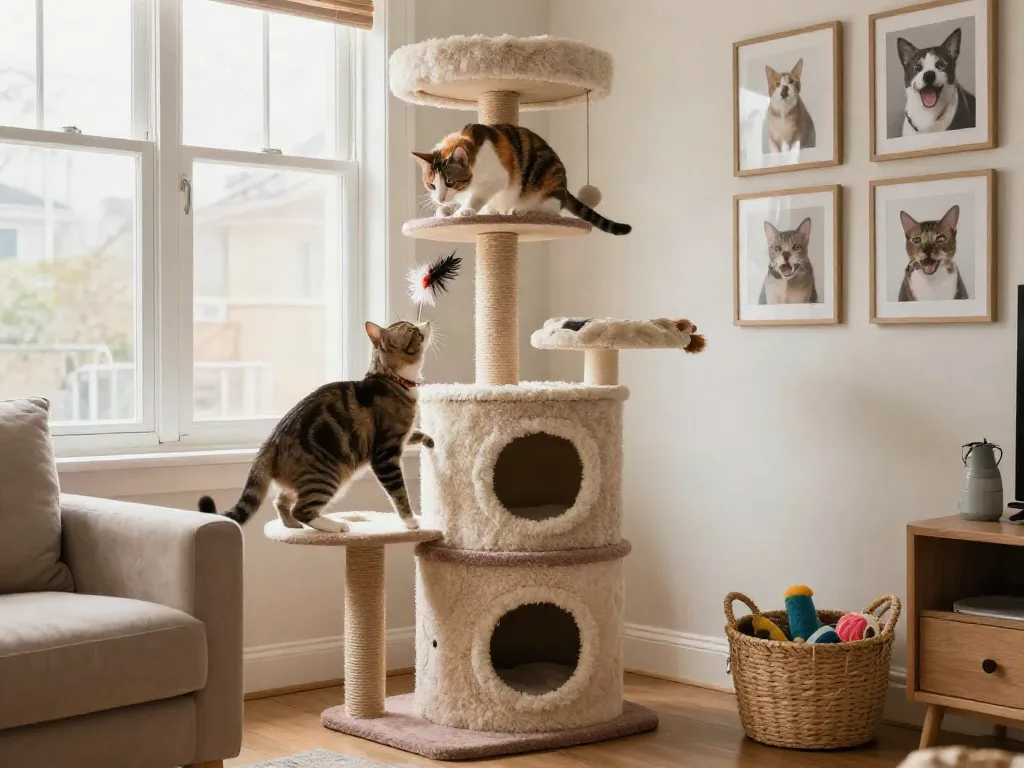
When considering a cat tower, key features include levelled platforms, scratching posts, and cozy hideaways. These features not only enhance playtime but also cater to their instinctual needs. Scratching posts prevent them from damaging furniture, while platforms and hideouts offer places for rest and contemplation.
Choosing the Right Size and Style
The size and style of a cat tree should match both your living space and your cat’s personality. For larger breeds or multiple cats, a spacious tree with multiple levels is advisable. Conversely, smaller apartments may benefit from compact designs that don’t overwhelm the space but still offer essential features.
Benefits of Cat Towers for Feline Health
Investing in a cat tower comes with numerous benefits beyond mere entertainment. These structures support the physical and mental health of your feline companion, promoting a balanced lifestyle.
Encouraging Physical Activity
Active cats are healthier cats. Cat towers encourage climbing, jumping, and stretching, which are vital for maintaining physical health. Regular physical activity contributes to weight management and reduces the risk of obesity-related health issues.
Reducing Anxiety and Stress
For many cats, a cat tree serves as a refuge where they can retreat and relax. This is particularly beneficial for timid or anxious cats, providing them a safe space to observe their surroundings without being threatened. The ability to have a personal space can significantly decrease anxiety levels.
Providing Safe Spaces for Rest
Vertical resting spots are essential for any cat. Elevated areas on a tree allow cats to perch safely away from the ground, offering them security while they nap or observe their environment. Choosing a tree with enclosed compartments can provide added comfort and warmth.
How to Select the Best Cat Tower Cat Tree
Finding the right cat tower cat tree involves considering various factors to ensure it meets your cat's specific needs. Here are some critical aspects to keep in mind during your selection process.
Material Considerations for Durability
Durability is paramount when selecting a cat tower. Opt for sturdy materials such as solid wood, which can withstand the weight and activity of your cat. Synthetic options can be lighter and often cheaper, but ensure they are robust enough to handle regular use.
Design Features for Comfort
Look for designs that incorporate plush upholstery and quality finishes. Soft, removable covers can add comfort and facilitate cleaning. Furthermore, features such as sisal scratching posts can help satisfy your cat's natural instinct to scratch while also enhancing the longevity of the tower.
Assessing Your Cat's Behavioural Preferences
Every cat has unique behavioural traits. Observe your cat’s habits—does it prefer high spaces, or does it enjoy hiding? Cats that enjoy climbing will benefit from tall towers, while those that like to burrow might prefer lower structures with hiding spots. Assessing these preferences will guide you in choosing a suitable design.
Maintaining and Caring for Your Cat Tower
The longevity of your cat tree can be extended through regular maintenance. Proper care ensures both the cleanliness of the environment and the safety of your pet.
Cleaning Tips for Cat Towers
Regular cleaning is essential for hygiene. Use a vacuum to remove fur and debris, followed by wiping surfaces with a damp cloth. Many removable covers can be machine washed, providing a simple way to maintain cleanliness.
Inspecting for Wear and Tear
Over time, towers may suffer wear and tear. Regularly inspect for loose parts or damaged materials that could pose a safety risk. Address any issues immediately to avoid accidents and keep the tower in a safe condition for your cat.
How to Reupholster or Refresh Your Cat Tree
If your cat tree shows signs of age or wear, consider reupholstering or refreshing its look. Use durable fabric for covering platforms, and ensure any replacement materials are safe for pets. This not only enhances aesthetics but also prolongs the usability of the tower.
Future Trends in Cat Towers for 2026
The market for pet furniture, particularly cat towers, is evolving. As we look towards 2026, several emerging trends are set to redefine cat towers and trees.
Innovative Features to Look Out For
Future cat trees may incorporate interactive elements, such as adjustable platforms or automated play features. These innovations can keep your cat engaged while catering to their natural behaviours.
Eco-Friendly Options for Conscious Consumers
The demand for environmentally friendly products is rising, and cat tower manufacturers are beginning to respond. Look for cat trees made from sustainable materials that do not compromise on durability or comfort.
Integrating Technology into Cat Towers
Technology integration could play a significant role in the future of cat furniture. Ideas such as built-in climbing aids, smart features for activity tracking, or self-cleaning components could revolutionise the way we think about cat trees.
What is the best material for a cat tower?
Solid wood and high-quality carpet are often recommended for their durability and comfort. Look for non-toxic materials to ensure the safety of your pet.
How often should I clean my cat tree?
Cleaning your cat tree should be a regular task, ideally once a week to prevent the build-up of dirt and allergens. Regular maintenance also keeps your cat feeling happy and healthy.
Can I build my own cat tower?
Yes, many pet owners opt to build custom cat towers. DIY cat trees can be tailored to fit your home and your cat’s preferences. Use sturdy materials and follow safe design practices for optimal results.
What size cat tree is best for multiple cats?
A larger cat tower with multiple levels and perches is ideal for homes with several cats. It provides ample space for each cat to have its own area, reducing territorial disputes.
Are there specific features that help reduce cat anxiety?
Enclosed spaces, high perches, and accessible hideaways are particularly effective in making cats feel secure and less stressed. Look for designs that incorporate these features to help your cat feel at ease.